

Turn meaningful events into alerts you can act on.
Get started · Website · Web dashboard (beta) · Documentation · Changelog · Support
Notificator is a free and open-source notification ecosystem for WordPress, Strapi, Astro, Node.js backends, a web dashboard, mobile apps, and compatible physical devices.
Discover useful WordPress events, define Strapi content rules, or send trusted server events from Astro and Node.js, then choose where each alert belongs: in a local activity view, in the web inbox, on your phone, by optional email, or on an MQTT-connected device.
- WordPress: install Notificator Project from WordPress.org. Local dashboard alerts work without a Notificator account.
- Strapi, Astro, or Node.js: choose your integration on the Get Started page, with package links and setup instructions.
- Your account, in a browser: open the web dashboard (beta) to register, create API keys, review notifications, and manage supported devices. No mobile app installation is required.
- Mobile push: get Notificator Project for iPhone and iPad from the App Store, sign in with the same account, and allow notifications. Android is coming to Google Play; it is not publicly available yet.
The dashboard guide explains notifications, API keys, MQTT settings, device monitoring, and supported OTA updates. In-dashboard toasts appear while the dashboard is open; they are not background browser push.
WordPress · Strapi · Astro · Node.js event
      ↓
Local activity or connected delivery
      ↓
Local activity · Web inbox · Mobile push · Optional email · MQTT device
WordPress dashboard alerts and the Strapi activity log work locally without an account or API key. Remote delivery is optional and can connect the web inbox, mobile app, email alerts, and user-owned MQTT infrastructure.
Create an account and integration API keys in the web dashboard (beta) or mobile app. Use either to read connected notifications and monitor devices; install the app when you want mobile push. Both clients share the same account. The Notificator web dashboard is separate from the local WordPress dashboard.
| Project | What it provides |
|---|---|
| WordPress Plugin | Event discovery, ready-made templates, notification rules, dashboard alerts, mobile delivery, MQTT, activity history, and portable configuration exports. |
| Strapi Extension | A Strapi 5 preview for content lifecycle rules, local activity, signed remote delivery, mobile alerts, email, and user-owned MQTT without repeated lifecycle code. |
| Astro Integration | The @notificator-project/astro server integration for Actions, API routes, webhooks, server-rendered workflows, and optional successful-build alerts. |
| IoT Firmware | Open-source ESP32 firmware, browser installation, signed OTA updates, and independent release channels for supported hardware. |
| Hosted API | The server-side notification ingestion and delivery service operated at api.notificator-project.com. |
| Node.js SDK | The @notificator-project/api server client for sending typed alerts through the hosted API. |
| Documentation | Setup guides for WordPress, Strapi, Astro, the Node.js SDK, web dashboard, mobile app, HiveMQ, Notificator devices, firmware installation, and public APIs. |
| Website | The public project website, Journal, support and privacy pages, changelog, and browser-based firmware installer. |
| Web Dashboard | Browser-based account registration, API-key management, shared notifications, MQTT device monitoring, and signed Base/Touch OTA controls (beta). |
Notificator is designed to work beyond the browser.
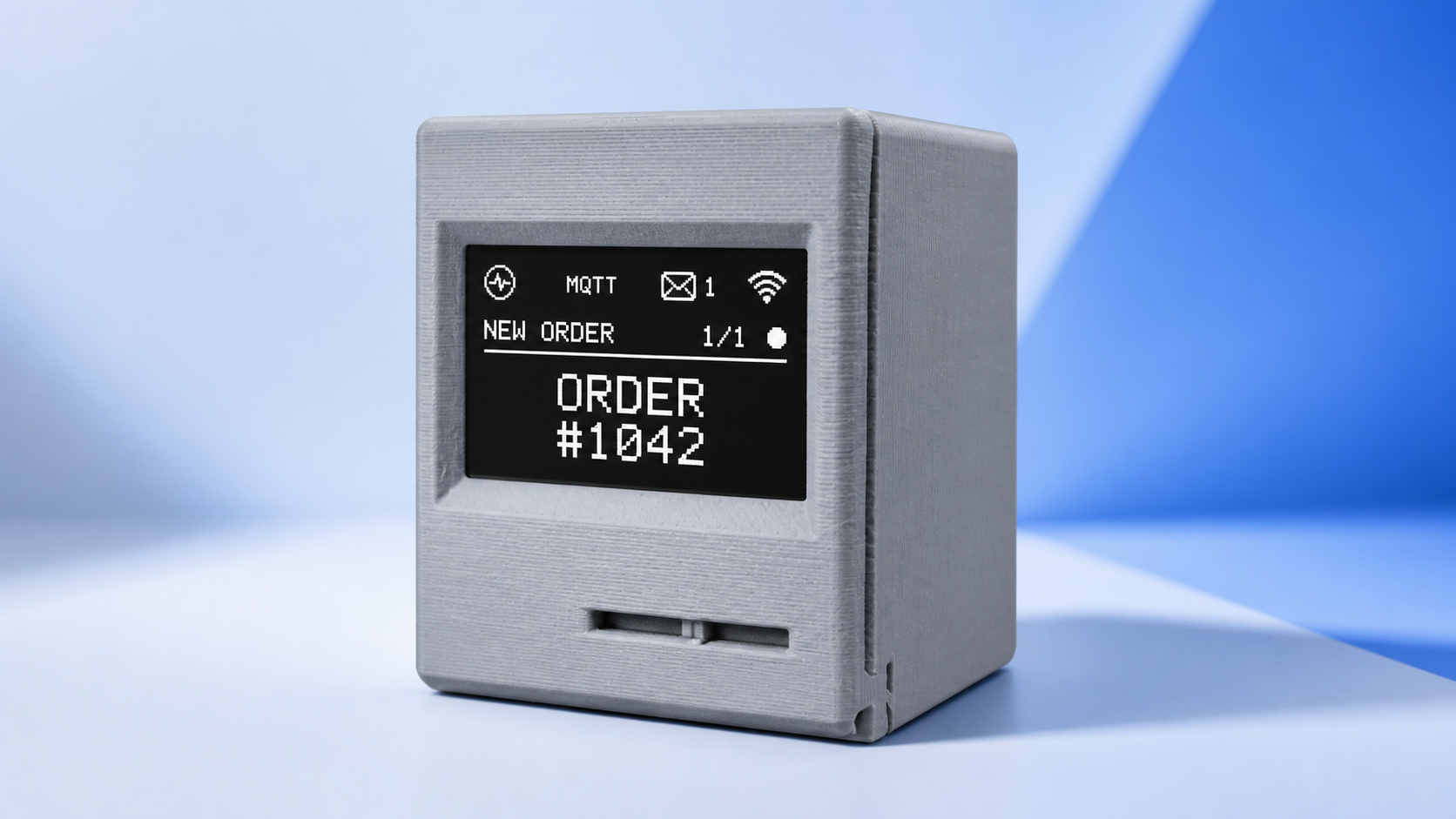
A compact maker-friendly reference device built around an ESP32-C3 SuperMini, SSD1306 OLED display, and capacitive control. Base firmware is the stable hardware channel.
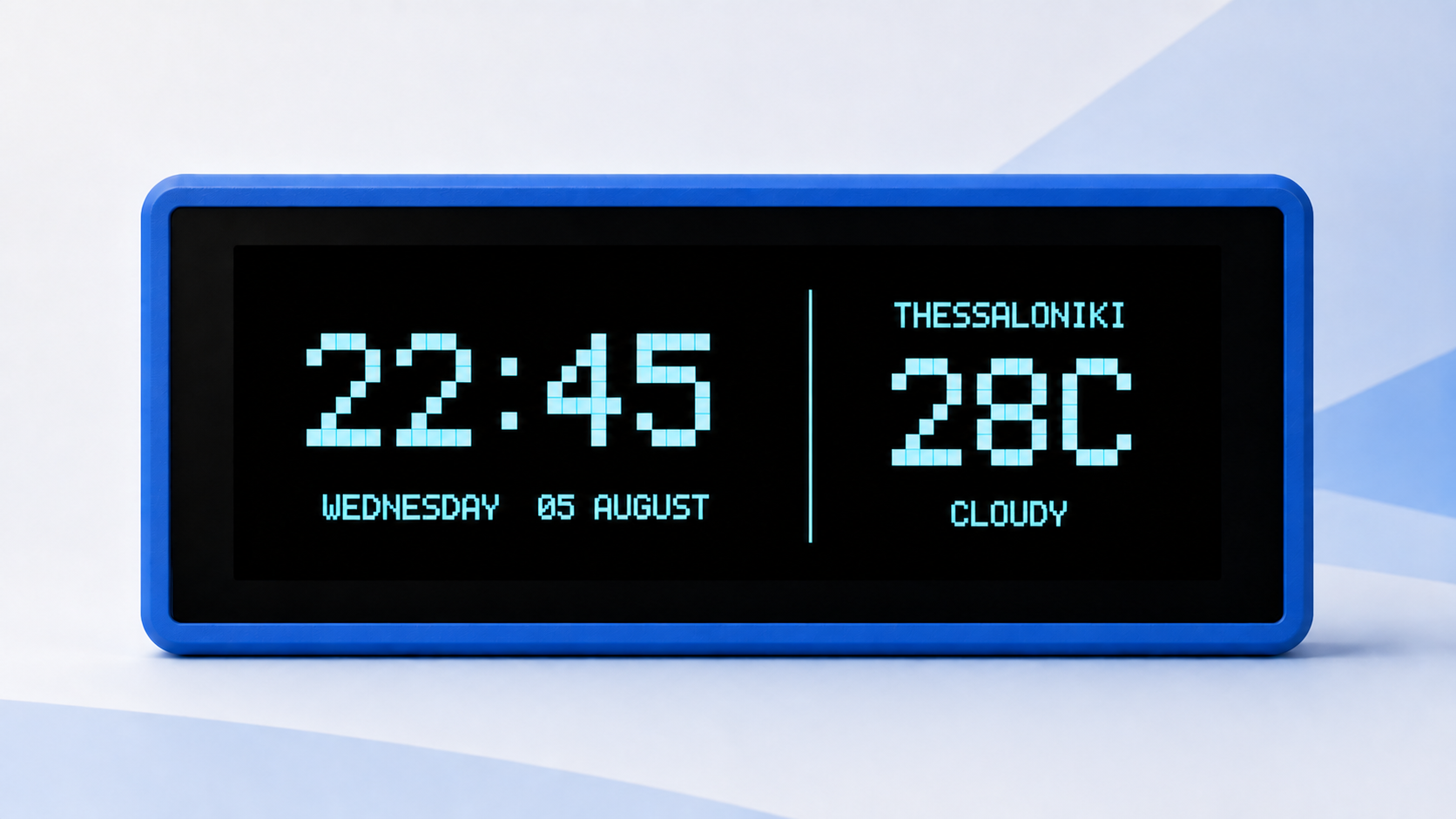
A touchscreen firmware preview for the Waveshare ESP32-S3 Touch LCD 3.49, with alert history, clock and weather views, audio, on-device Wi-Fi setup, orientation support, and dedicated settings.
An upcoming device path intended to let selected Notificator alerts trigger compatible smart-home and office devices. It remains under development and is not yet available as a firmware release.
|
|
More compatible firmware targets can be added without forcing different devices onto the same hardware assumptions or update channel.
- Use WordPress dashboard alerts or Strapi activity without creating a Notificator account.
- Keep Astro and Node.js API keys in trusted server environments and out of browser bundles.
- Enable remote delivery only for notifications that need it.
- Connect compatible devices through your own HiveMQ Cloud cluster.
- Keep MQTT credentials out of the Notificator account database.
- Export saved WordPress notification configurations and reuse them across sites.
- Install supported firmware from the browser and continue with signed OTA updates.
- Review the project's external services and data handling in the privacy policy.
Notificator was first introduced publicly at WordCamp Athens 2025. Since then, tens of early-access devices have reached testers across multiple countries.
Feedback from early-access participants, the Greek WordPress community, WordPress contributors, makers, and open-source users continues to shape the project. Thank you to everyone who has tested a device, reported a problem, suggested an improvement, or helped someone else get started.
- Choose your path on the Get Started page.
- Read the documentation.
- Follow meaningful releases in the project changelog.
- Open a focused issue in the repository that owns the affected component.
- Share integration ideas, hardware builds, accessibility feedback, and documentation improvements.
- Follow the project on X and YouTube.
- Support continued development through GitHub Sponsors or Buy Me a Coffee.
Notificator is an independent open-source project. It is not affiliated with, endorsed by, or sponsored by WordPress.org, the WordPress Foundation, Automattic, Strapi Solutions SAS, Waveshare, or HiveMQ.
References to WordPress and Strapi describe compatibility and participation in their open-source communities. References to Waveshare identify compatible hardware, while references to HiveMQ identify the currently supported user-owned MQTT service. Product names, trademarks, services, and terms remain the property of their respective owners.
Repository-specific licenses and third-party notices are documented in each project.
